
Dental Health
Good oral hygiene and regular professional care are the foundation of a healthy smile that lasts a lifetime.
Oral Hygiene
A consistent daily routine is the single most important factor in preventing tooth decay, gum disease, and premature wear on dental restorations.
Proper Brushing
Brush your teeth at least twice a day using a soft-bristled toothbrush and fluoride toothpaste. Hold the brush at a 45-degree angle to the gum line and use short, gentle strokes. Spend at least two minutes brushing, making sure to cover all surfaces -- outer, inner, and chewing surfaces of every tooth.
Replace your toothbrush every three to four months, or sooner if the bristles become frayed. An electric toothbrush with a timer can help ensure thorough cleaning.
Flossing
Floss at least once a day to remove plaque and food particles from between teeth and below the gum line where your toothbrush cannot reach. Use about 18 inches of floss, winding most of it around your middle fingers. Gently guide the floss between teeth using a back-and-forth motion, curving it into a C-shape against each tooth.
If traditional floss is difficult to use, consider floss picks, interdental brushes, or a water flosser as effective alternatives.
Mouthwash
An antimicrobial or fluoride mouthwash can provide additional protection against bacteria and help strengthen enamel. Mouthwash reaches areas that brushing and flossing may miss, making it a useful supplement to your daily routine.
Use mouthwash after brushing and flossing. Swish for 30 seconds and avoid eating or drinking for at least 30 minutes afterward. Ask Dr. Rasmussen which type of mouthwash is best suited for your specific needs.
Professional Teeth Cleaning
Even the most diligent home care routine cannot replace the value of regular professional cleanings.
Why Professional Cleanings Matter
Over time, plaque hardens into tartar (calculus) that cannot be removed by brushing or flossing alone. Tartar buildup along and below the gum line leads to inflammation, gum disease, and eventually tooth loss if left untreated. Professional cleanings remove tartar, polish tooth surfaces, and allow your dental team to catch potential problems early.
How Often Should You Have a Cleaning?
Most adults should have a professional cleaning every six months. Patients with gum disease, dental implants, or other risk factors may benefit from more frequent visits -- every three to four months. Dr. Rasmussen will recommend a schedule based on your individual oral health needs.
What Happens During a Cleaning
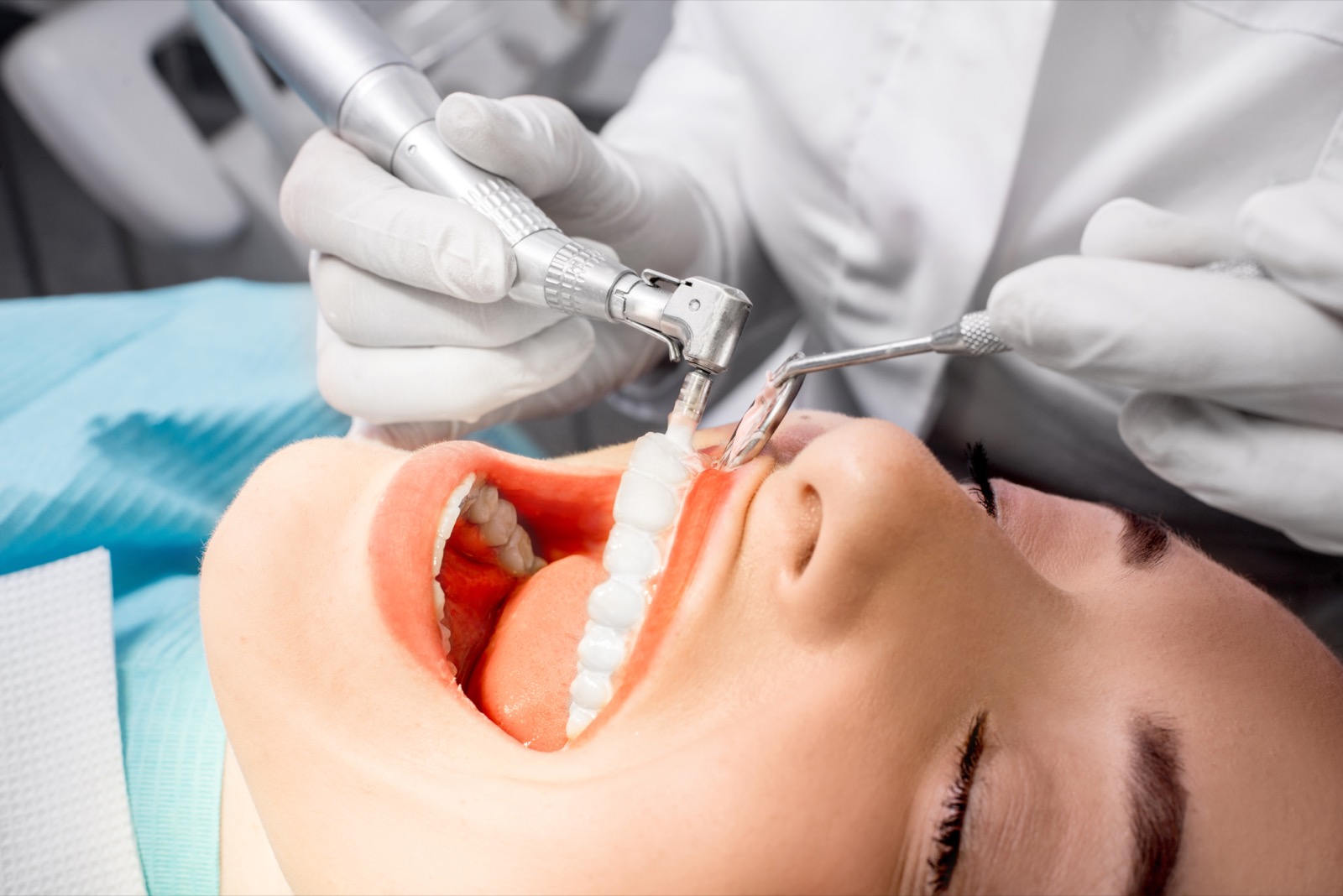
A professional cleaning typically includes scaling to remove plaque and tartar, polishing to smooth tooth surfaces and remove surface stains, and a thorough examination of your teeth, gums, and any existing dental work. X-rays may be taken periodically to check for issues that are not visible during a clinical exam.
Maintaining Your Dental Work
Dental restorations are an investment in your health and appearance. Proper care helps them last as long as possible.
Dental Implants
Implants function like natural teeth and require the same level of care. Brush around the implant thoroughly, use floss or an interdental brush to clean the area where the implant meets the gum, and consider using an antimicrobial rinse. Attend regular follow-up appointments so Dr. Rasmussen can monitor the implant, the surrounding bone, and the health of the gum tissue.
Dentures
Remove your dentures each night and soak them in water or a recommended denture solution. Brush them daily with a soft denture brush and a non-abrasive cleanser -- never use regular toothpaste, which can scratch the surface. Even with full dentures, brush your gums, tongue, and palate each morning before reinserting them. Schedule regular checkups so adjustments can be made as your mouth changes over time.
Crowns and Bridges
Brush and floss around crowns and bridges just as you would natural teeth, paying careful attention to the gum line. Use a floss threader or interdental brush to clean under bridge pontics. Avoid chewing hard objects like ice or hard candy, which can damage the restoration. Regular professional cleanings are important to maintain the health of the teeth and gums supporting your crowns and bridges.
Veneers
Porcelain veneers are durable but not indestructible. Use a non-abrasive fluoride toothpaste and a soft-bristled brush. Avoid biting into very hard foods with your front teeth. If you grind or clench your teeth, ask Dr. Rasmussen about a night guard to protect your veneers while you sleep. With proper care, veneers can last many years.
General Tips for a Healthy Smile
- Limit sugary and acidic foods and beverages, which contribute to enamel erosion and decay
- Drink plenty of water throughout the day to help rinse away food particles and bacteria
- Do not use your teeth as tools to open packages or bite non-food objects
- Wear a mouthguard during sports and physical activities to protect your teeth and dental work
- If you grind your teeth at night, talk to Dr. Rasmussen about a custom night guard
- Avoid tobacco products, which significantly increase the risk of gum disease and oral cancer
- Schedule dental checkups and cleanings on the recommended schedule -- do not wait until something hurts
- Contact our office promptly if you notice any changes in your dental work, such as looseness, chips, or discomfort
Frequently Asked Questions
Most adults should have a professional cleaning and checkup every six months. Patients with gum disease, dental implants, or other risk factors may need to visit every three to four months. Dr. Rasmussen will recommend a schedule based on your individual oral health needs.
Dental implants and crowns require the same daily care as natural teeth: brush at least twice a day with a soft-bristled toothbrush and fluoride toothpaste, floss daily, and use an antimicrobial rinse if recommended. Avoid chewing hard objects like ice, and attend regular follow-up appointments so Dr. Rasmussen can monitor your restorations and surrounding tissue.
Replace your toothbrush every three to four months, or sooner if the bristles become frayed or splayed. A worn toothbrush does not clean effectively. You should also replace your toothbrush after recovering from an illness to avoid reintroducing bacteria.
Both manual and electric toothbrushes can clean teeth effectively when used properly. However, electric toothbrushes with oscillating or sonic technology can make it easier to achieve a thorough clean, especially for people with limited dexterity. Many electric models also include built-in timers to help you brush for the recommended two minutes. Ask Dr. Rasmussen which option is best for your situation.